top of page
Burger King | A flagship built from what customers actually asked for
Most restaurant concepts start with a brand vision and hope customers connect with it. This one started backwards: with the people first, and the brand built around them.
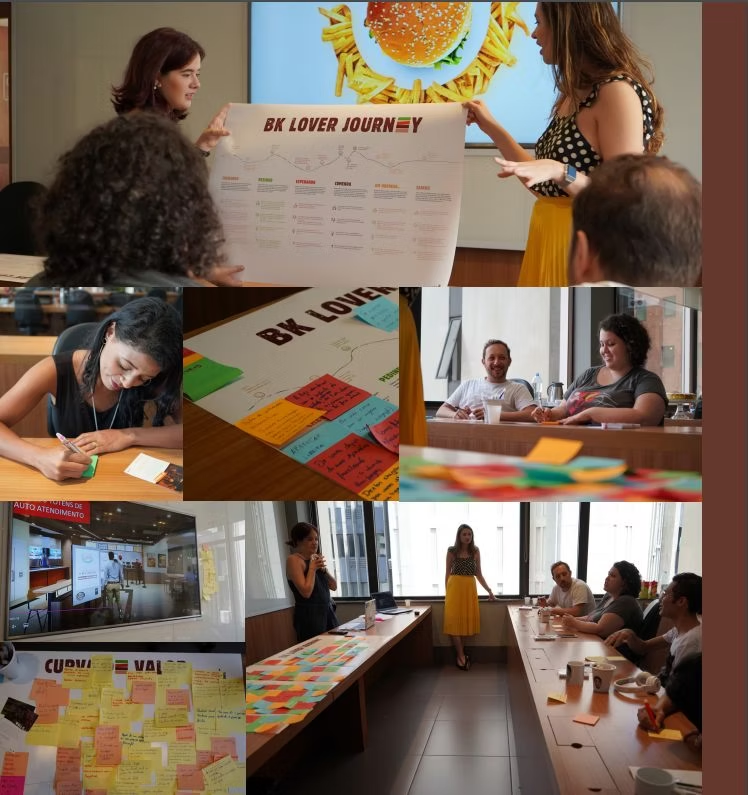
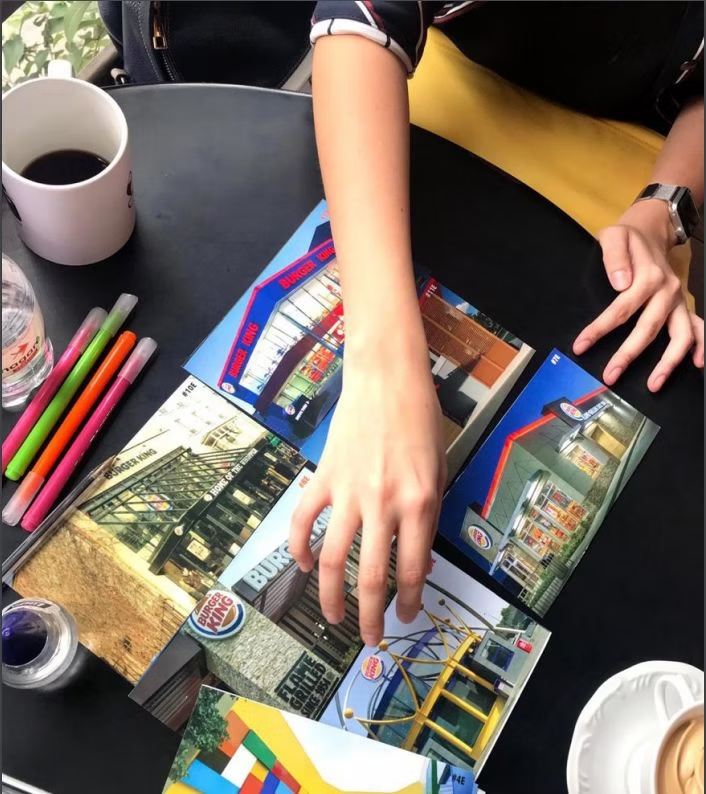
Burger King wanted a flagship store, a physical statement of what "customer-first" could actually mean if taken literally. So before a single wall went up, the project began with an ethnographic study: understanding who the customers around the chosen site really were, how they moved through their day, what they needed, and what would make a restaurant feel like it was made for them rather than at them.
That meant mapping journeys, needs, and pain points across the full range of people who'd walk through the door, cyclists, dog owners, delivery drivers, remote workers grabbing a quick meal. Each profile came with its own logic, and the design had to hold all of them at once without diluting into a generic "for everyone" space that truly served no one.
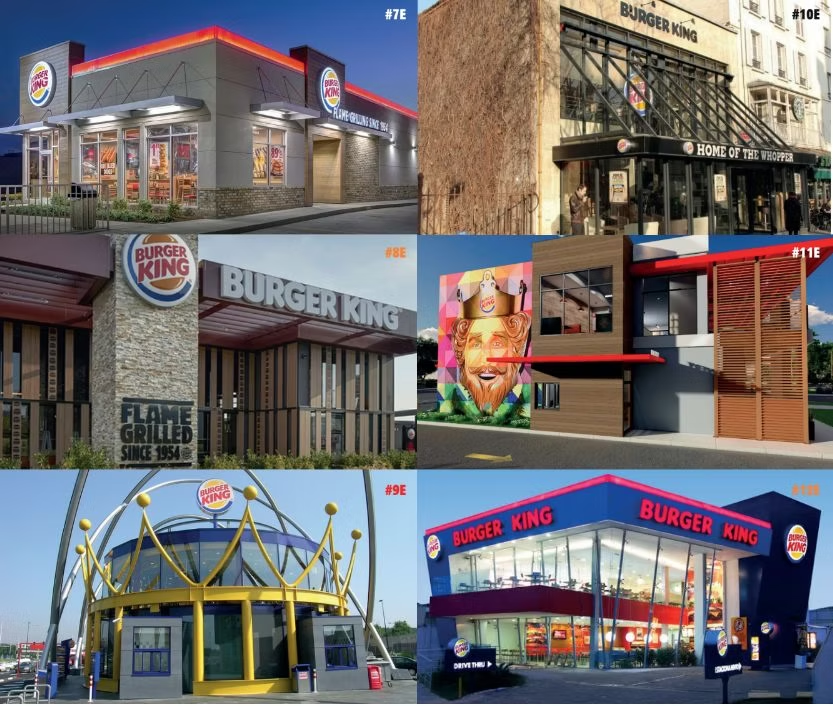
The result opened in São Paulo, at Praça Panamericana, a store where every architectural decision traces back to something a real customer asked for: bike racks for the neighborhood's cyclists, a pet-friendly patio, a glass façade with open terraces, self-service kiosks, an open grill so people could watch their food being made, and a dedicated safe zone for delivery drivers.
Even the sustainability details, like rainwater reuse in the restrooms, came from what customers said they cared about.
The store opened, made the news, and, years later, is still running. Burger King liked the process enough to bring the same thinking into several other projects afterward.

01
Burger King | A flagship built from what customers actually asked for

01

02

03

04

05

06
- Burger King | A flagship built from what customers actually asked for
- Burger King | A flagship built from what customers actually asked for
- Burger King | A flagship built from what customers actually asked for
- Burger King | A flagship built from what customers actually asked for
- Burger King | A flagship built from what customers actually asked for
- Burger King | A flagship built from what customers actually asked for
bottom of page