top of page
Cemetery Group | A model store, new systems and service redesigned around grief
Death is not a subject most industries want to rethink. It's wrapped in ritual, religion, and a kind of cultural silence that discourages questioning how things have always been done. But this cemetery group was going through real change, new leadership, structural shifts, and a market where competitors were beginning to innovate in ways the industry hadn't seen before.
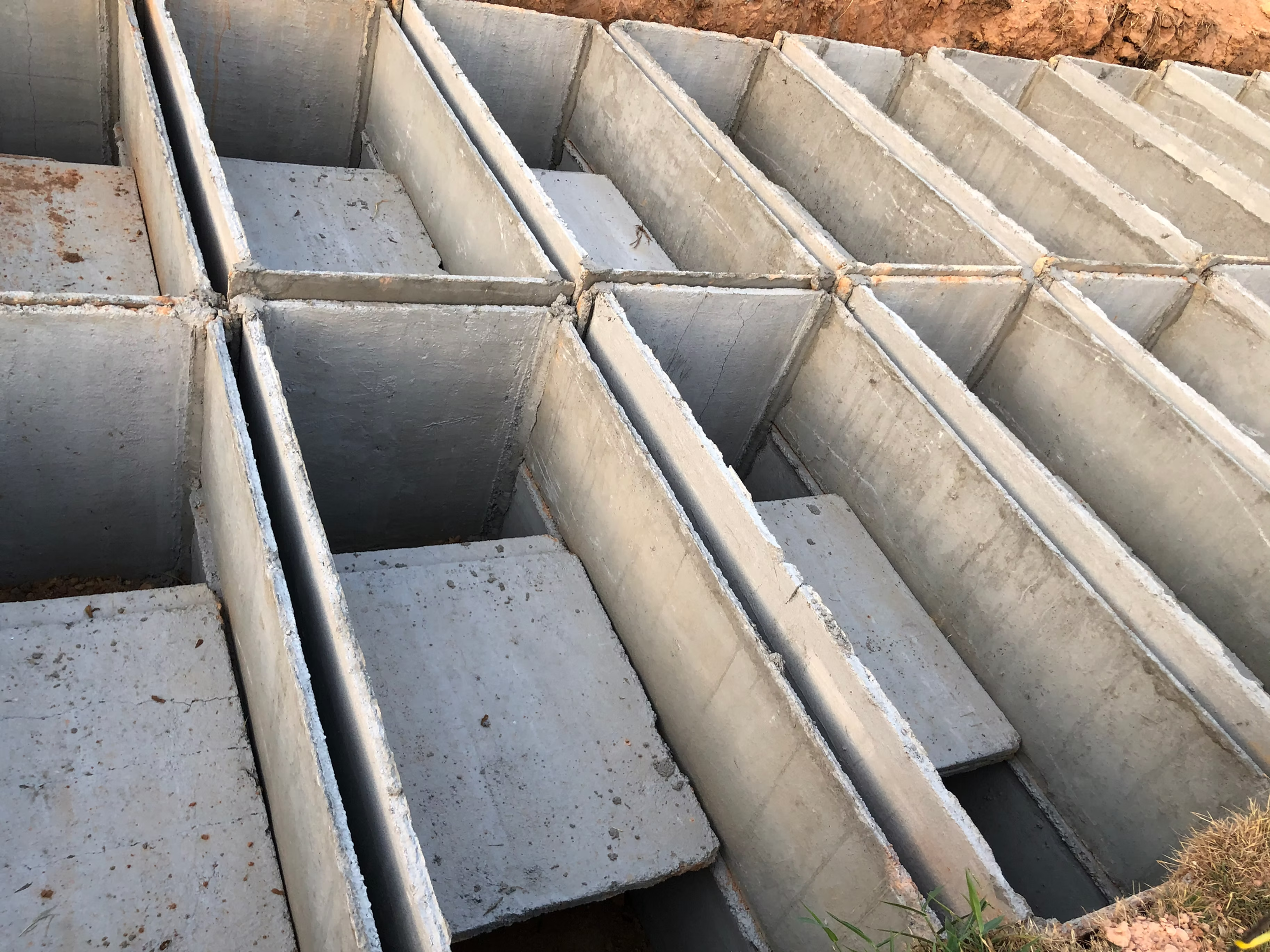
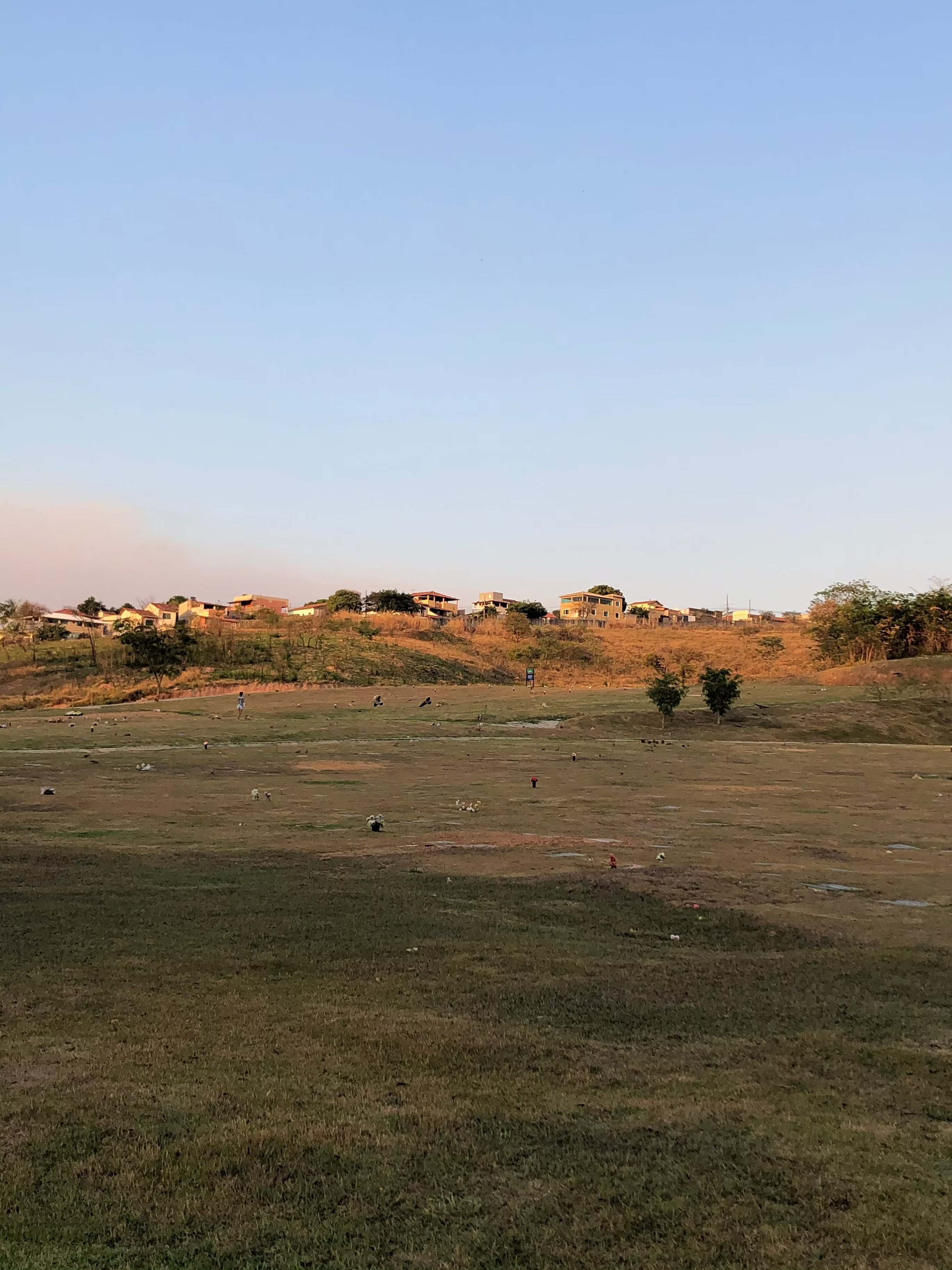
The work started far from any interface or workflow: understanding how the funeral sector itself was evolving, new cemetery formats, emerging rituals, materials, technologies, market trends elsewhere in the world.
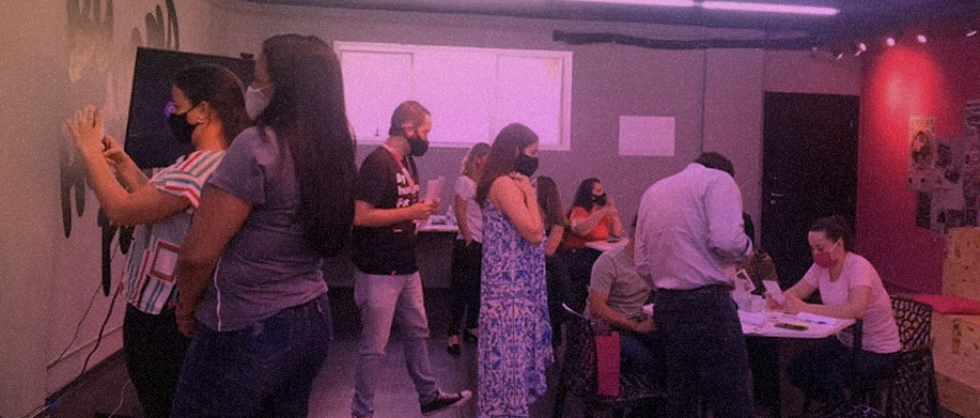
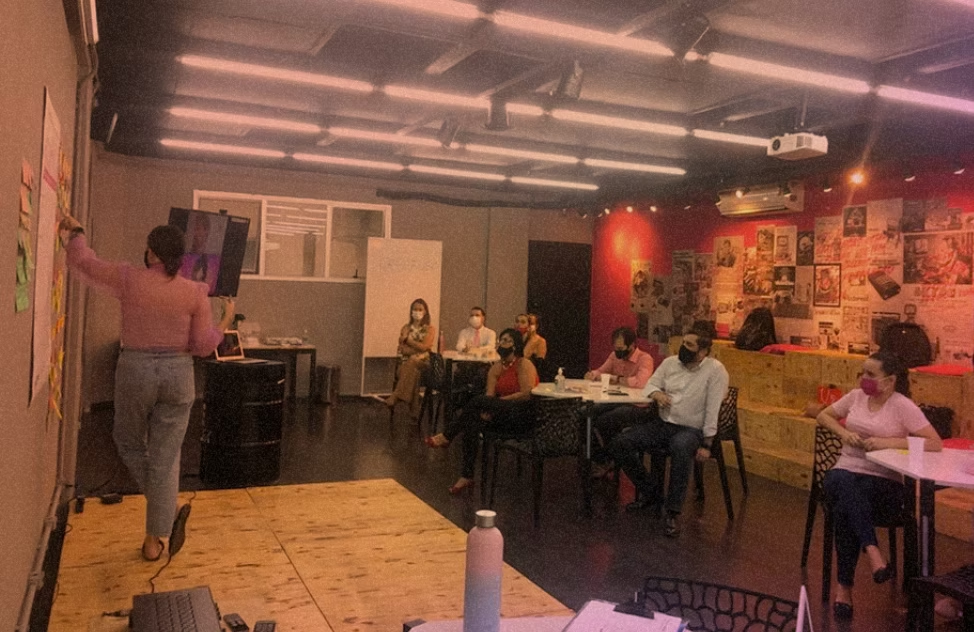
From there, we moved into the field, interviews, workshops, and real conversations with the people living this experience from both sides of the counter: families making impossible decisions, and employees trained to be composed in the presence of someone else's grief.
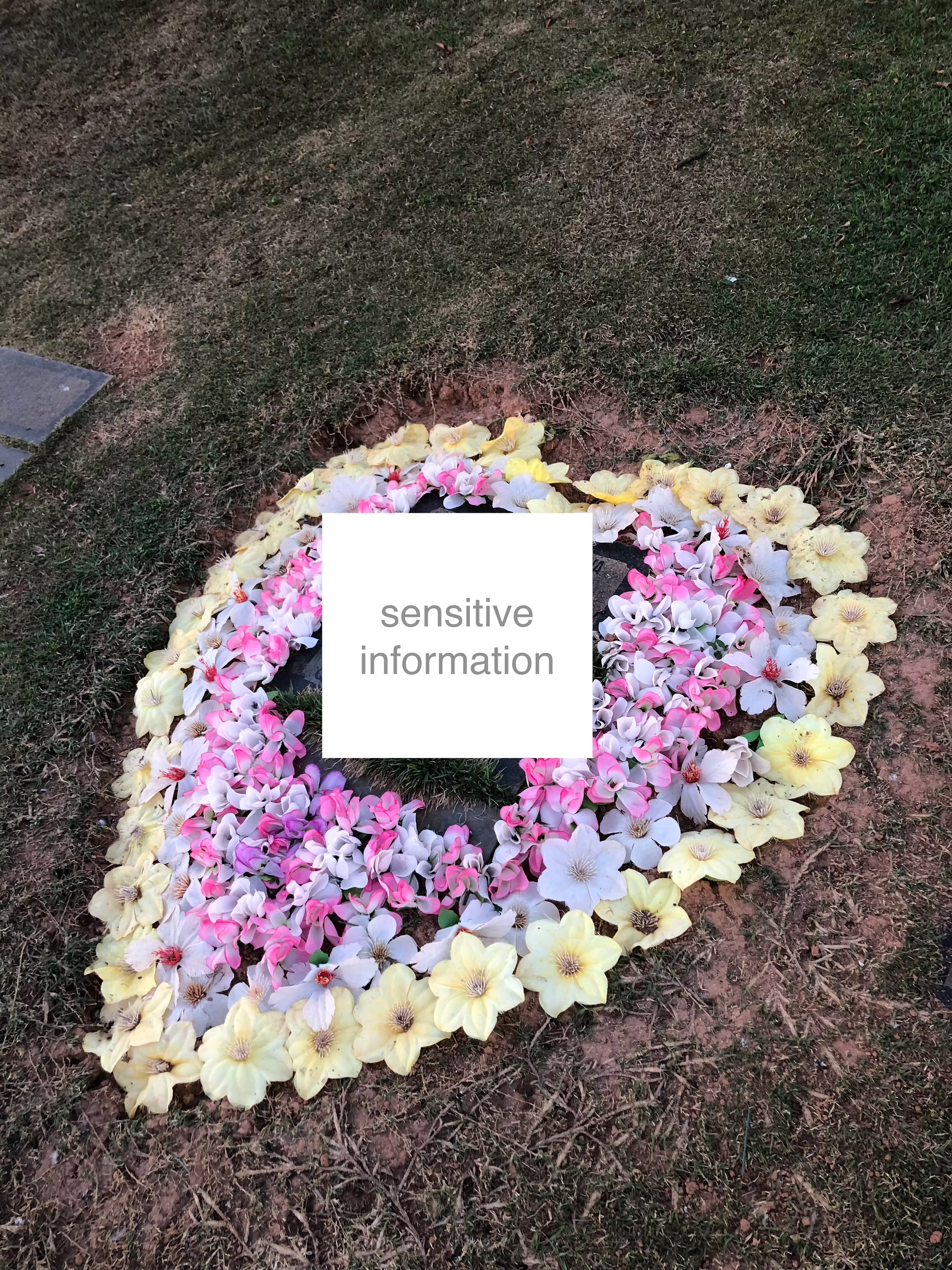
Brazil complicates this kind of project in ways a generic playbook can't anticipate. Religiosity here doesn't look like it does in other places, and how people relate to death, quietly, ritually, practically, shapes every decision they make about it, long before and long after the moment it happens. That nuance had to live inside the research or the resulting recommendations would ring hollow.
What came out of it was a full transformation roadmap. New internal registration systems replaced outdated processes. A model store opened, letting families see and choose services in person, with the dignity that decision deserves. Frontline service was redesigned from the ground up, along with a new set of service offerings shaped directly by what the research uncovered. Every part of it moved from recommendation to reality.
It was one of the more delicate projects of my career, and also one of the most meaningful, proof that even an industry built on tradition can be redesigned with empathy.

01
Cemetery Group | A model store, new systems and service redesigned around grief

01

02

03

04

05
- Cemetery Group | A model store, new systems and service redesigned around grief
- Cemetery Group | A model store, new systems and service redesigned around grief
- Cemetery Group | A model store, new systems and service redesigned around grief
- Cemetery Group | A model store, new systems and service redesigned around grief
- Cemetery Group | A model store, new systems and service redesigned around grief
bottom of page